
Massive weight loss ANTALYA TURKEY
is defined as loss of 50% of excess weight which results in laxity and sometimes severe
redundancy of the abdominal skin. This can lead to disabling rashes,pain, physical limitation, back strain, and cosmetic deformity.
Panniculectomy, breast reduction, brachioplasty, and other body con touring procedures have been used to treat these conditions.
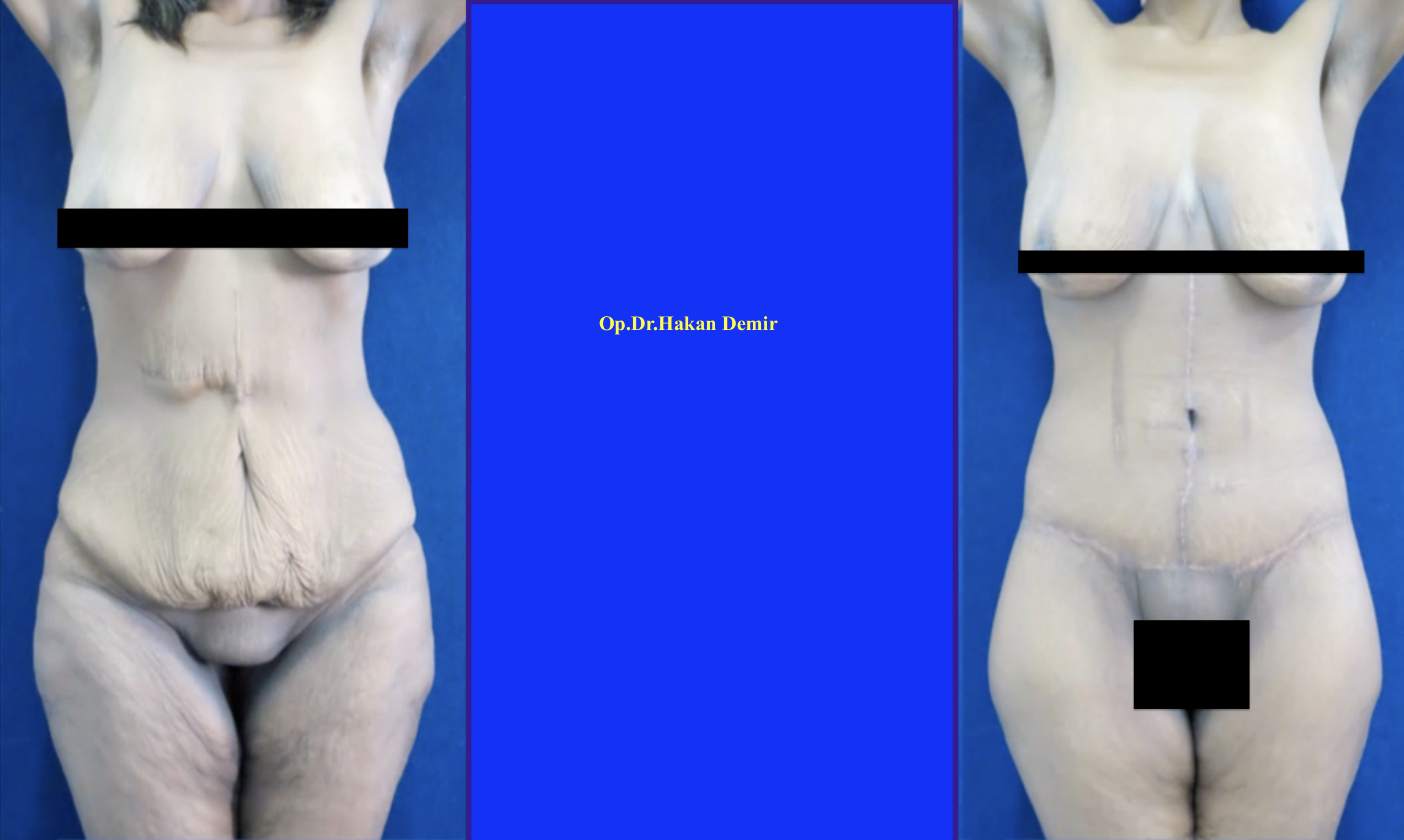
We know that obesity and overweight is associated with many physical and mental health problems across our life course.
We are at the forefront of the latest findings and surgical techniques involved with post-weight loss issues. I ve pioneered techniques and safety measures to reshape the body and remove excessive amounts of tissue and skin that can occur following massive weight loss.
Our first step in working with patients is to discuss their expectations and provide information about what can be offered through surgery. We then tailor procedures based on their objectives, anatomical needs, and overall health. Recommendations can include options to target one or more problem areas on the body such as the face, neck, arms, abdomen, back, buttocks, or thighs.
For many patients, undergoing multiple procedures at once offers the most comprehensive results. For instance, if you struggle with loose, excess skin and small fatty deposits, a lift procedure, such as tummy tuck, arm lift or thigh lift, combined with liposuction may produce the best results. Keep in mind that combining procedures only makes sense if the procedures align with your cosmetic goals.
Mounjaro: approved to improve blood sugar in people 10 years and older with type 2 diabetes; tirzepatide is also marketed as Zepbound for chronic weight management.
Mounjaro (tirzepatide), from Eli Lilly, is a dual-acting GIP (glucose-dependent insulinotropic polypeptide) and GLP-1 (glucagon-like peptide-1) receptor agonist, and mimick the natural hormone. Mounjaro lowers fasting and postprandial glucose concentration, decreases food intake, and reduces body weight in patients.
How to use Mounjaro or Zepbound :
- The recommended starting dose of Mounjaro is 2.5 mg subcutaneously once weekly, increasing to 5 mg once weekly after 4 weeks. The 2.5 mg dosage is for treatment initiation and is not intended for glycemic (blood sugar) control.
- Administer once weekly, on the same day each week, at any time of day. You can administer with or without meals.
- Additional dose increases may occur depending on your doctor's recommendation. After reaching a dose of 5 mg, your dose can increase up to 7.5-mg, 10-mg, 12.5-mg, and 15-mg. You will stay on your current dose for at least 4 weeks.
- If additional blood sugar control is needed after at least 4 weeks, your doctor may increase your dose. The maximum dosage is 15 mg (adults) or 10 mg (children 10 years and older) injected subcutaneously once weekly.
In patients who have undergone both sleeve gastrectomy (stomach reduction surgery) and other obesity surgery due to excess weight, excess and rapid weight loss is achieved and completed within the first year. After one year, these patients still have to struggle with weight gain. Obesity surgeries do not reduce the number of storage fat cells in your body, they only prevent the intake of food from the stomach or intestines for a short time calculated over months. However, after 1 year, the body tolerates this, your stomach starts to grow again and weight gain can occur again. In order for all these troubles to give results, you should have excess skin surgeries after bariatric surgery. In fact, in these surgeries, not only your excess or sagging skin is removed, but also trillions of storage fat cells that are still present but have shrunk in volume. Thus, as you get rid of your excess fat cells, your weight intake or your need for energy decreases.
Weight loss of more than 10-15 kg usually results in permanent loss of elasticity or sagging in the body. Loss of skin elasticity and sagging are more prominent after bariatric surgery for obesity treatment.
plastic surgery turkey,catch life aesthetic turkey,facelift turkey price,catch life aesthetic turkey reviews,cosmetic beach turkey,istanbul plastic surgery,plastic surgery in Antalya, cosmetic surgery tourism Antalya,Health tourism Turkey,antalya health reviews,Health tourism agency,Health tourism agency UK,Medical tourism,Istanbul medical tourism,Medical tourism agency usa